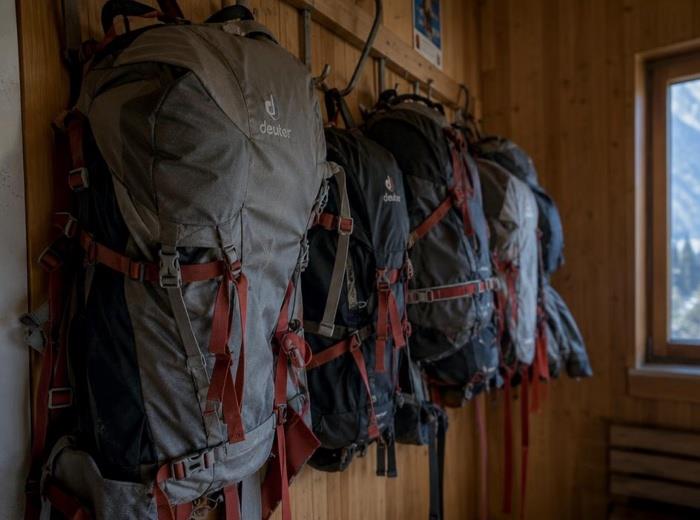
Backpacks
Volume, torso fit and frame type matter more than brand. Start with capacity, then dial in the harness.
45–55 L weekend · 60–70 L multi-dayGuides
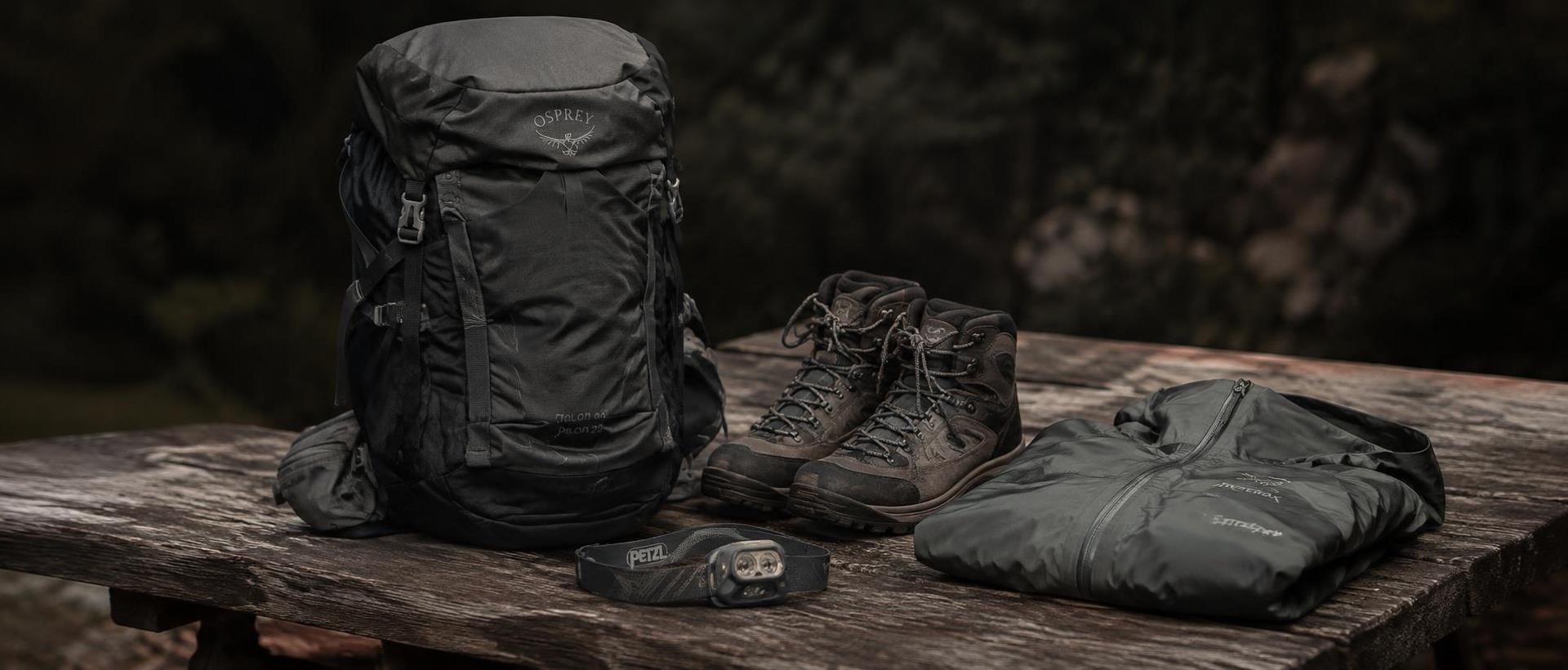
An information hub for outdoor equipment — how categories differ, what actually matters when choosing, and where the money is worth spending.
Nine core equipment families with buying notes and editorial context. This is an information archive — not a shop.
Volume, torso fit and frame type matter more than brand. Start with capacity, then dial in the harness.
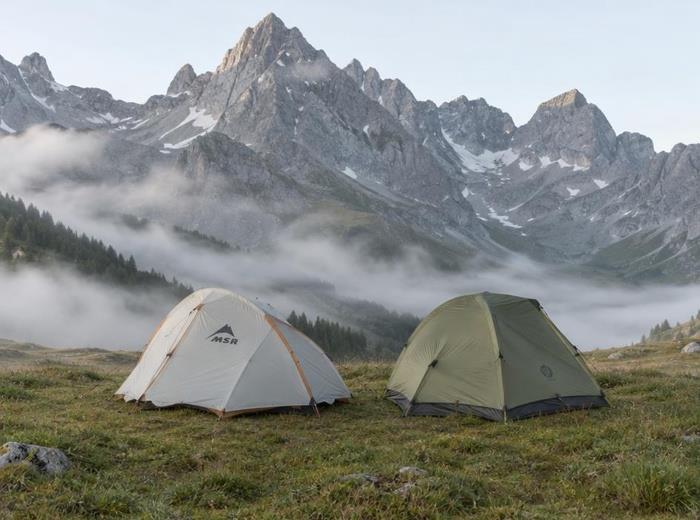
Freestanding for exposed ground, trekking-pole shelters for weight savings. Always check hydrostatic head.
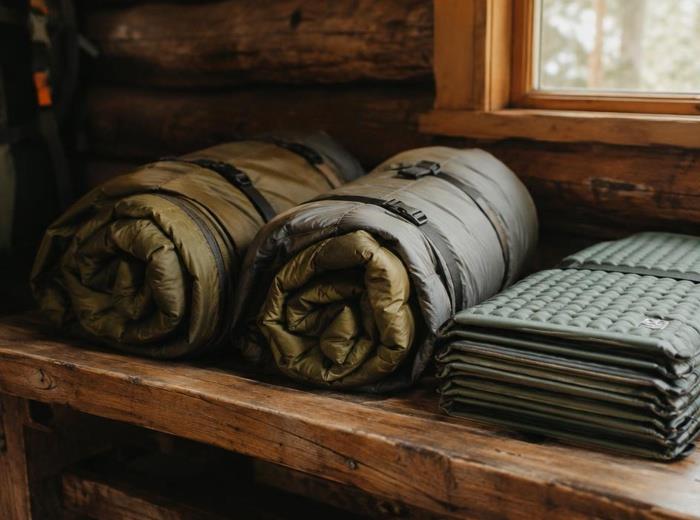
Comfort ratings are optimistic. Choose a bag rated 5°C below the coldest night you expect, and pair with a good mat.
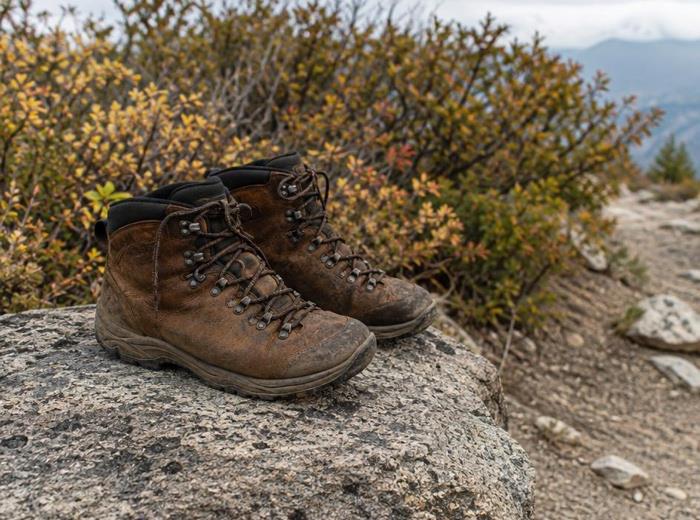
Fit beats features every time. Measure late in the day, test on a ramp and allow a thumb-width at the toe.
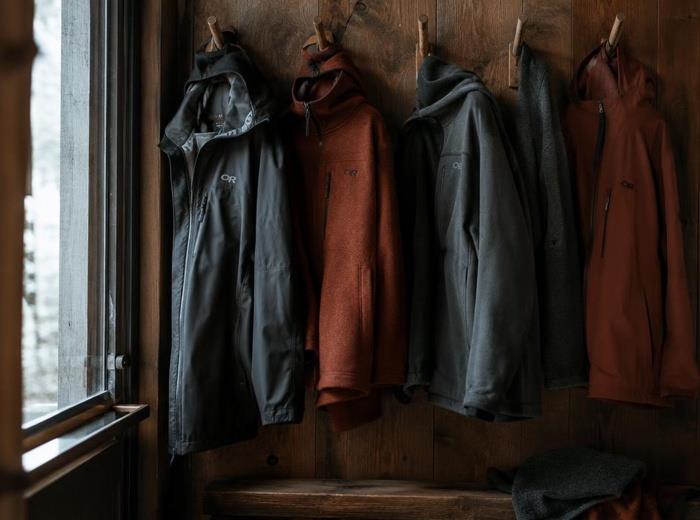
Build a three-layer system and stop there. Base layer moves moisture, mid layer traps heat, shell blocks weather.
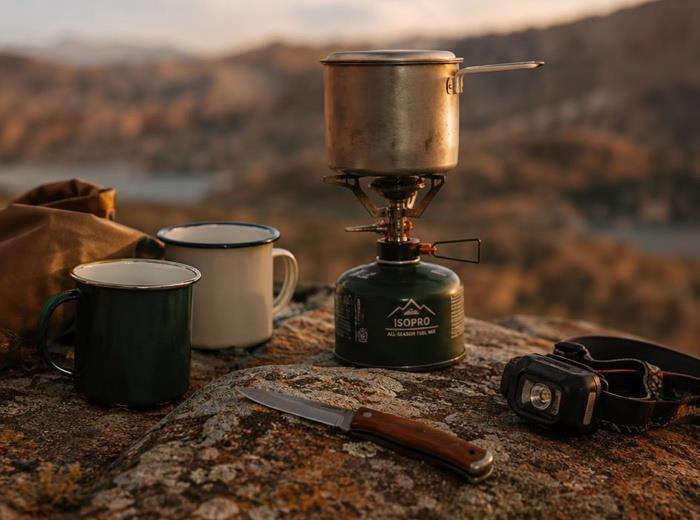
The small items make or break camp: reliable stove, real headlamp, repair tape, and a way to sit comfortably.
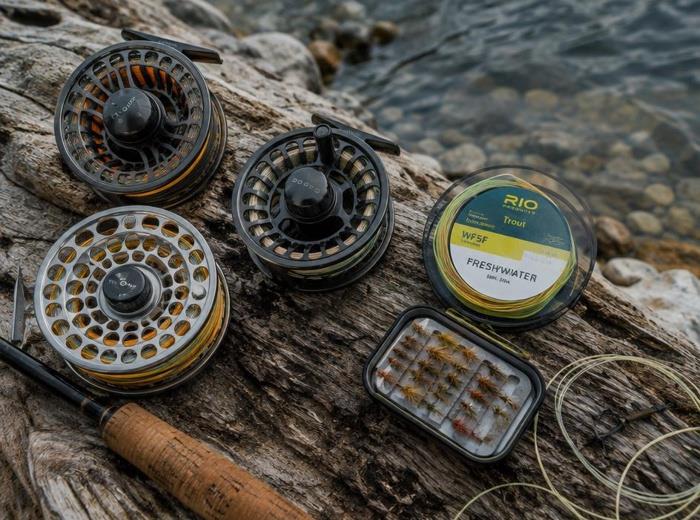
A modest rod you can cast well beats an expensive one you cannot. Spend the difference on lessons and flies.
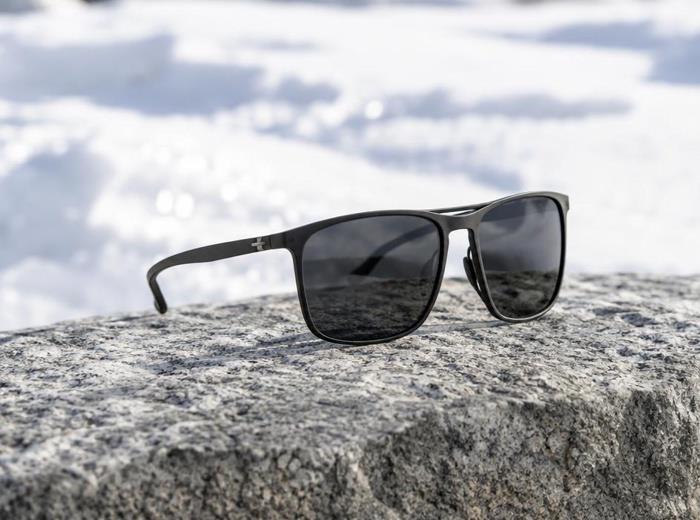
Category 3 lenses for general use, category 4 for glaciers and high altitude. Polarised cuts surface glare on water.
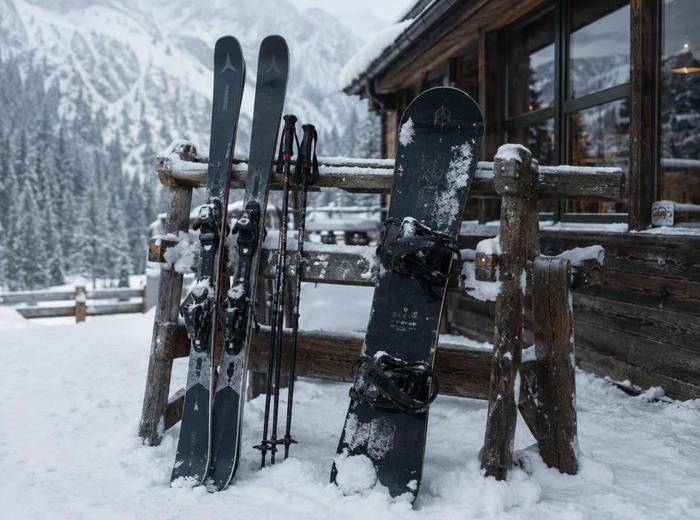
Boots first, then skis. A well-fitted boot with a mid-range ski will outperform the reverse every season.
Most outdoor gear fails at seams, zips and soles. Check whether a brand publishes a repair service before you compare specs.
Cutting 400 g from a shelter costs far more than cutting it from a stove. Spend on the items you carry all day.
Boots, packs and helmets only work if they fit your body. No feature list compensates for a bad fit.