The cheapest way to go outside is to go camping. And the easiest thing to get wrong about camping is the equipment to use and the camp site to go to. You need a tent, a mattress and a stove to start with. Then there are lots of decisions to be made over each of these items and then over the camp site itself where you will set up the tent for the night.
Start With Shelter, Sleep and Water
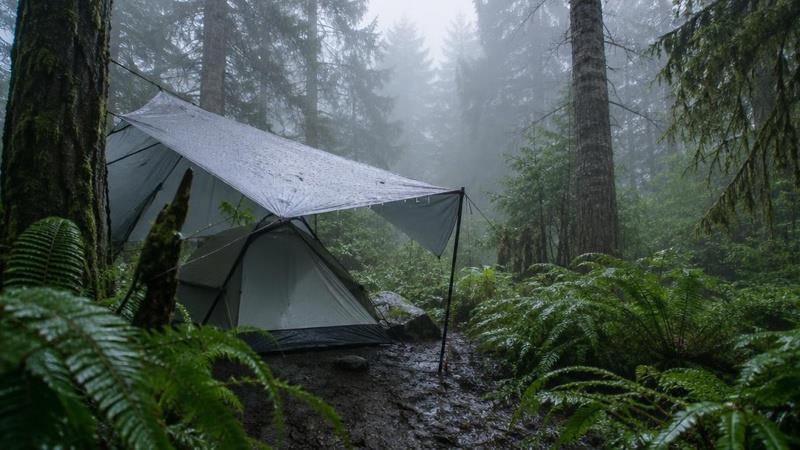
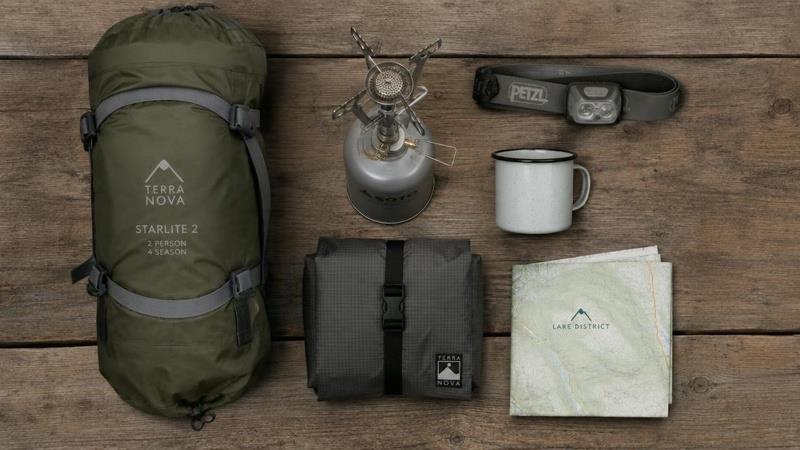
The objects needed for a weekend of summer camping are simple enough: a tent, a mattress and a stove. However, the simplest objects can have many varieties, and in the end one has to choose between them. A four-season tent is completely unnecessary for a weekend of summer camping. And a heavier stove than the others that look solid enough, also completely unnecessary to carry. A tent to withstand the wind in the camp site, a sleep system to be able to sleep in temperatures lower than expected and a way to treat the water to drink, are all that one needs.
As well as looking up at any overhead branches check the surrounding trees for any dead ones which could fall in the night. Choose a flat spot and pay more attention to the camp site’s mat than the tent itself as this will have a greater effect on your sleep.
- Practice taking down and re-erecting your tent in your garden before you go.
- Carry at least one litre more water capacity than you plan to use.
- A repair kit containing sticking tape, a spare pole section for the tent, a sewing needle and some thin string for repair of clothing etc.
- Leave a headlamp plus a second light in your pack, not your tent
Camp Craft Is a Skill, Not a Checklist
Most camping goes well for campers who move slowly to get lots of things done before they get tired, who cook before they are hungry and pitch camp before there is any danger of the weather changing for the worse. This creates a good camp.
What matters most in camping
Of greatest importance to take on an outdoor adventure would be to first define the intent of the adventure and the conditions that will be encountered by the hiker(s). Then list all possible gear for all tasks and make a list of all jobs. Then remove one piece of gear that will not serve a purpose for any of the above-mentioned tasks and jobs. Continue removing unnecessary gear until a simple system is established for getting all tasks and jobs completed, that all party members can understand, and that can be repaired in the field with minimal repair parts if needed at all.
The sole test of a piece of equipment is how it performs in the field. It does not matter how good it looks on a list. In the end the simplest system that you can understand to use and repair is better than a complicated one. Look at these 4 basic points when selecting any piece of equipment for your next adventure.
Start with the conditions you will actually meet
Yes, reading out the specifications of lots of different pieces of equipment for possible use can take hours to get through it all, but a small amount of time researching the conditions of your proposed route for the whole day, and coming up with ways to deal with potential problems (wind, wet ground, early nightfall, heat, slow companions etc) is of far greater value in the long run. A beginner on a long day with an easy route and plenty of time to complete the trip has vastly different needs to an expert on a similar trip who has forgotten a small detail.
A beginner on a long day following an easy route with plenty of time to complete it will have very different needs to an experienced outdoor enthusiast traveling on the same route for the day but forgetting one crucial detail. Allow for time to stop and recover from your journey. Eating, changing into dry clothes, checking your map and reorientating yourself are all part of the fieldcraft and should not be wasted.
Make the system repeatable
Most camp activities are repetitive and tedious. Repeating the same activity over time means that each activity will become second nature and enable you to complete more complex actions in emergency situations. For example practicing tying knots, building a tent, packing a rucksack etc. can all be done before you go on an outing.
As you simplify, try to improve the simple system of gear that you already have. List out all of the gear that you already have for an outdoor adventure. Then go on the outdoor adventure and take note of items that were not used, did not work, had to be borrowed etc. Then go through the list of gear that you brought for the adventure and try to simplify and make lighter, and fix any problems, and organize equipment that you already have better. Do not simplify away important safety items, even though one trip may have gone well without them.
Test before you commit to a full day
Pack all your camping gear and go for a short trip. Test out the load on your back, try out the camp stoves with the meals you intend to cook and find out how the layers you’ve chosen will work. Try opening and shutting zips whilst wearing gloves. Can you manage all these tasks with one hand?
Rehearse parts of activities that will be shared by team members before you set off on your adventure. This may be just practicing filtering water for treats before you go on your long family hike. On the first part of your family’s camping trip lay out sleeping places, prepare simple meals and practice packing up in the morning. Children should know which adult is responsible for filtering water, for packing the first aid kit etc. Practice reading a map and setting a pace for each other.
Avoid the mistakes that cost the most energy
The smallest deviation from the most optimal route or activity can cost much more time in the long run than simply going back home a few minutes earlier. Those few minutes will be sufficient to get back on track!
Don’t just blindly accept the list of equipment somebody else has used. The context in which the other person used the item must be similar to your own. Generally this means their body size and shape will be similar, but also the length of the route and the time of year for the trip. Also their budget for equipment will be different to yours, and their tolerance for personal discomfort. Lastly apply the underlying principle behind the item and see if you can apply it in a similar fashion rather than just copying the item itself.
Improve one variable at a time
Try and improve one thing on a trip at a time. I want you to be able to describe the useful parts of your last trip in a few short sentences. If you have changed your pack, boots, stove and route on your last trip then try and work out which part or parts made your trip any better. Use your notes from your last trip to describe ok things, poor things and things you want to go back to and use them to improve your next trip.
Making sure that you have got better at something while managing to have a reasonable margin for error can be very difficult to track and measure while on the move, but going out on a trip and returning on the next with items such as lighter packaging, simple repairs to equipment and ways of organizing similar items that already exist within your kit are great ways to develop yourself as a walker whilst ensuring that you are able to manage should the weather or other people throw a ‘spanner in the works’.
Bring the lesson home
Write down your lessons for the short trip you just completed. This should include details on how you managed to dry your layers, how you managed to clean your water filter, and any checks you found necessary for worn parts such as zips and seams on clothing and equipment. Also record if you managed to recharge any batteries. Five minutes to sort out your gear for the next trip is better than a bag full of damp clothing that may harbor nasty infections.
Acknowledge the people who help develop your experience of the outdoors and grow your knowledge of trails and outdoor activities by creating a trail report, improving upon a campsite that you have visited before and showing appreciation to guides, rangers, volunteers and partners. A small moment from a person’s time spent outdoors can be developed into a very practical tool for someone to increase their confidence on later trips and outings.
This article has been written for 2US Outdoor. Use the advice in the article as you see fit and remember to be more cautious than normal and adhere to local regulations to ensure that any mistakes with serious effects are kept to a minimum.
The Short Packing List
- Shelter and footprint
- Sleeping bag and insulated mat
- Stove, fuel and lighter
- Water filter and bottles
- Layered clothing in a dry bag
Treat your first few nights camping out as you would your first few practice runs to a local park and aim to take less equipment to gain more confidence each time.